
Your club's AI.
One-on-one with every player, every day — steered by your coaches and staff.
Your players already talk to an AI. This one comes from your club — a personal line to every player, steered by your staff.
Every club knows this
You have them for a few hours a week. The rest of the week, they're on their own.
Most of a player's development happens in those hours. It's where habits form, where confidence breaks or builds, where talent quietly leaves. No coach can be there for twenty players at once. Your words can.
-

Tue 17:40 Getting ready. Nobody reminded her what Coach asked for.
-
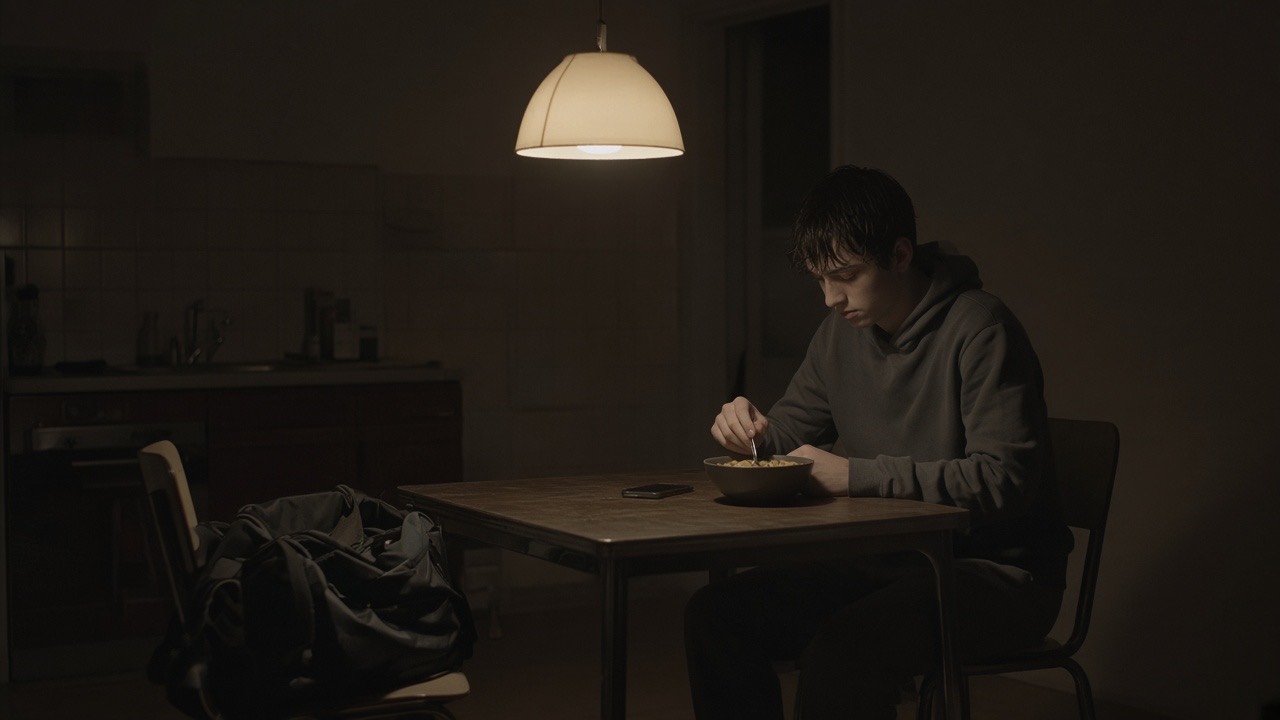
Tue 21:30 After training. Nobody asked how it went.
-

Fri 23:10 Game tomorrow. Still awake.
-

Sat 13:05 Lost 3–1. Talking it through with no one.
What Vic is
A personal line between your club and every player.
Until now a club could only talk to its players as a group. For the first time, every player can have someone in their corner — from the club, for the player.
- The club tells Vic what it knows. Your method once, the schedule, this week's focus, a word about one player — typed or spoken.
- Every player gets a few minutes a day. On their own phone, around training — and around school, exams, friends and sleep, because that's their week too. In your club's words.
- The club gets back what it never had. Who carried the focus, who's stuck, who needs a person. Over a season, every coach's word and every player's signal becomes knowledge your club can ask.
Same question. Different answer.
A general AI knows everything. Vic knows your player.
The same words from a player. One answer could come from anywhere. The other comes from your club — its method, its coach, this player's last week.
I played badly today.
Sorry to hear that. Everyone has off days. Try to focus on the positives, get some rest, and remember that improvement takes time.
I played badly today.
Rough one. At Millbrook it's “next action, not last mistake.” Coach Sam asked you to keep demanding the ball — did you, after the first half? Last Thursday felt like this too, and you turned it around by Saturday. Pick one moment. We'll start there.
- Your club's method
- Coach Sam's message
- Their talk last Thursday
Tell Vic
Your staff feed it.
Every player hears them.
Today's focus. A word for one player. A message for the squad. Write it or say it the way you talk — Vic shows where each piece goes before it's saved, then carries it into each player's next talk. The player knows it came from you.
Around every player
The whole club, at the right moment of the week.
Top academies have someone in every player's ear all week. Vic reads your schedule and brings your staff's words at the moment they matter — before training, the night before, game morning, after the whistle. Vic never invents the plan. It delivers yours.
Talk to Vic about your staffPart of the kit
The shirt.
The shoes.
Vic.
Every player who joins gets the kit. Now the kit includes someone in their corner — on their own phone, in the club's colours. It remembers every talk, and it says it's AI.
The coach view
Know your squad before you walk out.
Pulse: every player at a glance — who's flying, who's flat, who hasn't talked since Tuesday. Ask Vic: plain questions, plain answers. When a player needs a person, Vic says so. Coaches see signals. The talks stay with the player.
Ask Vic a Monday questionWhere it's going The more your club connects — the schedule, the coaches' notes, the tools you already use — the more it knows. What lived in a few people's heads becomes knowledge the whole club can reach.
Easy to run
Set it up once. Say it any time. See who needs you.
- Teach Vic your way. A seven-question interview, or your own documents for Vic to draft from. Teams and schedule go in once. Every player gets a personal link.
- Tell Vic. Today's focus, a word for one player, a message for the squad — typed or spoken, from any coach.
- See who carried it. Sent, landed, carried. You see who took the next step, who went quiet, and who needs a person.
What changes for the club
Your staff, multiplied.
- Every player, every day. Not the five who ask. All of them.
- Your method, everywhere. The same standards from your head coach to your newest assistant — and between every session.
- Say it once. Vic follows up with every player, so your evenings aren't spent on messages.
- Your specialists, for every player. One nutritionist, one mental coach, two hundred players. Their guidance goes in through your club method and Tell Vic, and reaches every one of them.
For parents
Built for kids. Honest by design.
The AI your club gives your child. The talks stay theirs, and these rules don't bend.
- It's AI, and it says so. Never pretends to be a person.
- Not a coach. It carries the coaches' words and sends players back to them.
- Not a therapist. When a person is needed, it sends the player to one — their coach first.
- No spying. Staff get signals, not conversations.
- A parent says yes first. Under 18, the player's link only works once a parent has read what Vic is — and what it will never do — and approved.
- Never always on. Talks begin and end, a few minutes at a time.
Where we are
Early beta. Early access is open.
Vic is in early beta with its first clubs, in Hebrew and English. Not a club? Ask for a demo anyway.
- A demo for your staff
- One team, set up together
- What comes next, shaped with you
FAQ
Straight answers.
What is Vic?
Your club's AI. One-on-one with every player, every day — steered by your coaches and staff, who feed it what they know. Out loud or by text, in your club's method; it remembers every talk and leaves one next step.
What does it do on an ordinary day?
One thing to focus on before training, a short talk after. On a day with nothing useful to add, it doesn't reach out.
Is Vic a coach?
No. It carries your coaches' words and sends players back to them. It doesn't teach technique or tactics.
How do coaches steer it?
They tell Vic — today's focus, or a word for one player or the squad, typed or spoken. The player knows it came from the coach.
How does our club's knowledge get in?
Three ways: a seven-question interview (philosophy, age and level, non-negotiables, tone, key phrases, what Vic must never do, this season's focus); your own documents, drafted by Vic for you to review; or written in directly. All season, staff tell Vic in their own words — and it shows where each piece goes before it's saved.
Can our nutritionist or mental coach take part?
Yes. Today their guidance goes in through the club's method and Tell Vic. A seat of their own is where this is heading.
What do coaches see?
Signals: who carried the focus, who went quiet, who needs a person. Never the conversation.
Isn't a general AI app enough?
It doesn't know your club, your method, your coach's last message or this player's last month. It waits to be asked. Different job.
What do parents see?
Before a player under 18 starts, a parent gets an email: what Vic is for, what coaches see, what it will never do. The link works only after they approve. Not the talks — those stay with the player.
What if something needs a person?
Vic says so and points the player to one. Who, and how fast, is set with the club.
Which sports? Which languages?
Team or individual. Hebrew and English, each written in its own language.
How do we start?
Ask for a demo. Clubs can join early access with one team.
Your whole club, in every player's corner.
Don't read about it. Talk to Vic.
Three minutes, out loud — tell Vic who you are and one thing you want your players to hear, and watch it land on a player's phone, in your colours.
It's AI, and it says so · Not a coach · Not surveillance